.png)
Tax Incentives for Commercial Renovations: What You Should Know
- grbarkercanada
- 1 day ago
- 4 min read
Learn how to cut costs without compromising quality in a commercial remodel. Discover strategies for budgeting, material selection, and project management.

Tax Incentives for Commercial Renovations
Are you thinking about updating your business space? You may be able to receive tax breaks from the government to help pay for the changes as an incentive to help your business make improvements. Understanding the basics may help you save money, even if it's not wholly clear. In this case, we will help you save some money on tax incentives for your commercial renovations.
Key Takeaways
Relating to tax credits, which lower the amount you owe, or add money to your refund, numerous expenses for renovations can qualify.
Most of the expenses that can qualify for tax credits can cover the costs of materials, labor from professionals such as plumbers or electricians, and rentals for equipment.
If you do some of the work yourself, you can claim costs for building materials and permits, however, you cannot claim costs for your own labor or for tools that you own.
Usually, a renovation will have a maximum amount of expenses that you can claim, even if you have spent more.
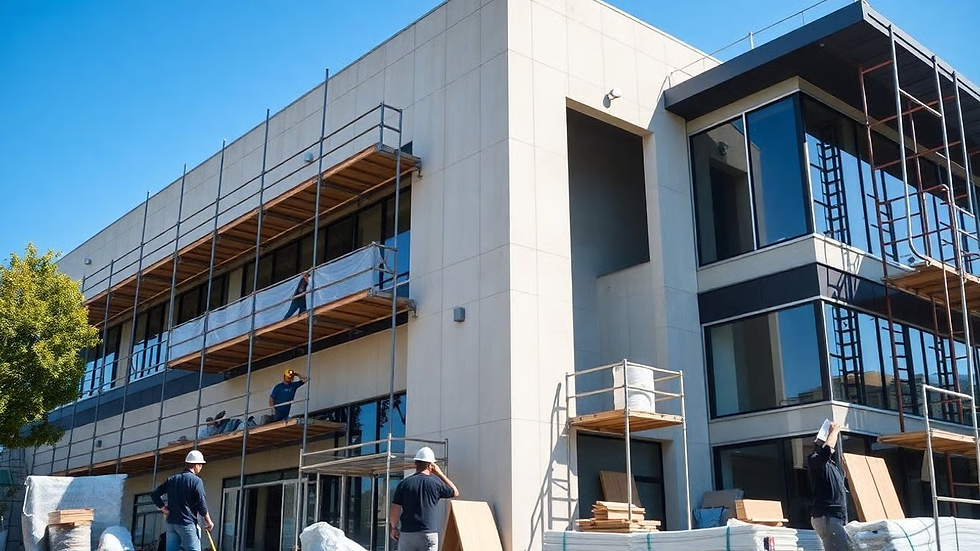
In order to support your tax claims, you need to have very good records of all the expenses of your renovations.
Tax Incentives for Commercial Renovations: Tax Credit for Commercial Renovations
Are you planning on updating your commercial space? There are some tax incentives that can help subsidize the costs of some renovations. These incentives can help businesses with limited budgets. There are programs that give tax incentives on upgrades that are more than aesthetic like energy efficiency and accessibility.
Knowing about these incentives can help your business save a lot of money. We suggest that you do a little research on what tax credit and deductions you can take. These credits and deductions can be for structural upgrades of the interiors. A tip for you is, if you are working with renovation Winnipeg companies, ask them if they know of any provincial or federal incentives for your project. Often, the work done by builders in Winnipeg is qualified for incentives.
Federal and provincial incentives are often in the following areas:
Tax Incentives for Commercial Renovations: Tax Credit for Commercial Renovations
Energy Efficiency Improvements: Tax incentives help cover the cost of energy saving devices like heaters, LED lights, and better insulation. Accessibility Improvements: Tax credits are often available for expanding commercial space accessibility for the disabled. This includes building accessible ramps and restrooms and modifying door widths.
Historic Preservation: Specific tax incentives are often available for the renovation of historic buildings. This includes the preservation of historic buildings.
When you're planning for commercial renovations, it's useful to plan ahead and speak with a tax professional as they will help you justify the available incentives. It's also best to coordinate with experienced renovation Winnipeg professionals. For example, if you are planning a renovation and need to set your budget, understanding the tax incentives will help set your scope, especially with comprehensive renovations commercial Winnipeg firms help with.
To maximize your value and to ensure the renovation is cost-efficient, research tax incentives and consult experts before the project begins.
Remember, the specifics of these incentives can change, so it is important to stay informed. If you want to, ask your selected contractors (e.g., Bridgeland Builders) how they handled incentive-related projects. They may have recommendations for you to help with the process.
Putting It All Together
There you have it. Commercial renovation tax incentives help with your bottom line, but how you obtain them can be complicated. You will want to keep track of all the boxes you need to check to claim tax incentives. Don't think of it as work, think of it as part of the overall planning process to finalize your renovation (i.e. deciding on paint colors, selecting flooring). Completing the process so that you receive a tax incentive will allow you to reinvest that money back into your business, or keep it for yourself. It is something to consider for your next major renovation.
Frequently Asked Questions
What kind of renovations can get tax breaks?
You may qualify for tax breaks if the renovations involve creating a living space for a relative needing extra care, such as a basement suite or a separate room for the family member needing care. The renovations must be necessary, reasonable, and directly related to creating the living space.
How much money can I get back on my taxes for renovations?
Tax credits for renovations are set at 15% for any of the incurred costs. However, you can only claim the tax credit for renovations up to $7,500 which means you can only receive tax credits for renovations that cost $50,000. If the tax credit exceeds the amount of tax owed, you will receive the difference as a tax refund.
Can I claim tax breaks for more than one renovation in a year?
Absolutely! If you do two separate qualifying renovations for two different family members needing help, you can claim the tax credit for both. Keep in mind that you must do separate calculations for each renovation and claim the tax credit separately. You can, however, only cover expenses up to $50,000 for each renovation.
What counts as a 'qualifying expense' for these tax breaks?
Qualifying expenses are costs associated with a home renovation. This includes materials, tools, and the payment for subcontractors such as a plumber or electrician. Your own tools and unpaid labor do not count as qualifying expenses.
What if a family member helps with the renovation work?
You may be able to include the costs for materials bought by a family member. However, if the family member just provides services for free, you can't claim the value of their work. You can include the value of their work only if they are a licensed contractor and charge a fee for their services.
Are there special tax breaks for businesses renovating their own buildings?
The above focus on tax breaks for creating living spaces for family members. While businesses can usually deduct the costs for their own renovations for repair and maintenance and the rental of tools, these specific credits for creating secondary units are meant for individuals helping their family by improving their own homes.


Comments